

What is Fitness? Everything you need to know

In this blog, you’ll find a complete 2025 guide to fitness—from what it is, its core components, and the science behind it to why it matters for your health and wellness. We’ll explore all types of fitness, the latest trends and tech, nutrition partnerships, and the powerful mind-body connection while debunking common myths. You’ll get step-by-step guidance for beginners and advanced strategies, plus the essentials of recovery and rest. Finally, we wrap with practical FAQs and a roadmap to your optimal wellness.
Table of Contents-
- Introduction: The Complete Guide to Fitness in 2025
- Understanding Fitness: Definition and Core Components
- The Science Behind Physical Fitness
- Why Fitness is Important: Health and Wellness Benefits
- Types of Fitness: A Comprehensive Overview
- Latest Fitness Trends and Innovations in 2025
- Creating Your Personal Fitness Journey
- Nutrition and Fitness: The Perfect Partnership
- Mental Health and Fitness Connection
- Fitness Technology and Wearables
- Common Fitness Myths Debunked
- Starting Your Fitness Journey: Beginner’s Guide
- Advanced Fitness Strategies and Techniques
- Recovery and Rest: The Overlooked Components
- Conclusion: Your Path to Optimal Wellness
- FAQ’s
1. Introduction: The Complete Guide to Fitness in 2025
Welcome to the most comprehensive guide to fitness you’ll find online. In today’s fast-paced world, understanding what fitness truly means has never been more crucial. In an article, mckinsey has mentioned that the global wellness industry has reached an unprecedented $1.8 trillion in 2024, with 82% of US consumers now considering wellness a top priority. This isn’t just a trend—it’s a fundamental shift in how we approach health and wellbeing.
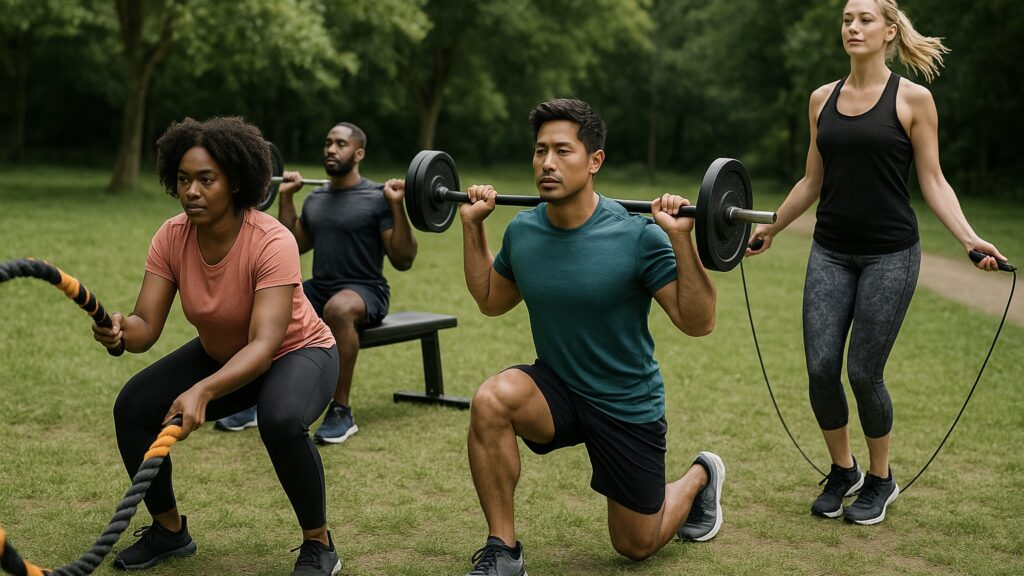
Whether you’re taking your first steps toward a healthier lifestyle or looking to optimize your existing routine, this guide will transform your understanding of fitness. We’ll explore everything from the basic science behind physical fitness to the cutting-edge trends shaping the industry in 2025.
Health club membership has grown to approximately 77 million members in 2024, representing a 6% increase year-over-year, while club visits have risen by 8%. This surge demonstrates that more people than ever are recognizing that fitness isn’t just about looking good—it’s about building a foundation for a longer, healthier, and more fulfilling life.
The fitness landscape has evolved dramatically. What once meant simply “going to the gym” now encompasses a holistic approach to wellness that includes mental health, nutrition, recovery, and lifestyle optimization. Gen Z and Millennials are driving this change, spending 40% more on wellness than previous generations and seeking personalized, purpose-driven fitness experiences.( Source- lincolninternational)
2. Understanding Fitness: Definition and Core Components
What is Physical Fitness?
Physical fitness is far more complex than many people realize. According to leading health organizations, fitness is defined as “a state of health and well-being and, more specifically, the ability to perform aspects of sports, occupations, and daily activities”. However, this definition has evolved significantly since the Industrial Revolution.
Before industrialization, fitness was simply defined as having enough energy to complete daily tasks without excessive fatigue. Today, fitness encompasses the body’s ability to function efficiently in work and leisure activities, resist disease, and handle emergency situations. This broader definition reflects our understanding that true fitness extends beyond physical capability to include mental resilience and overall wellbeing.
The Five Components of Physical Fitness
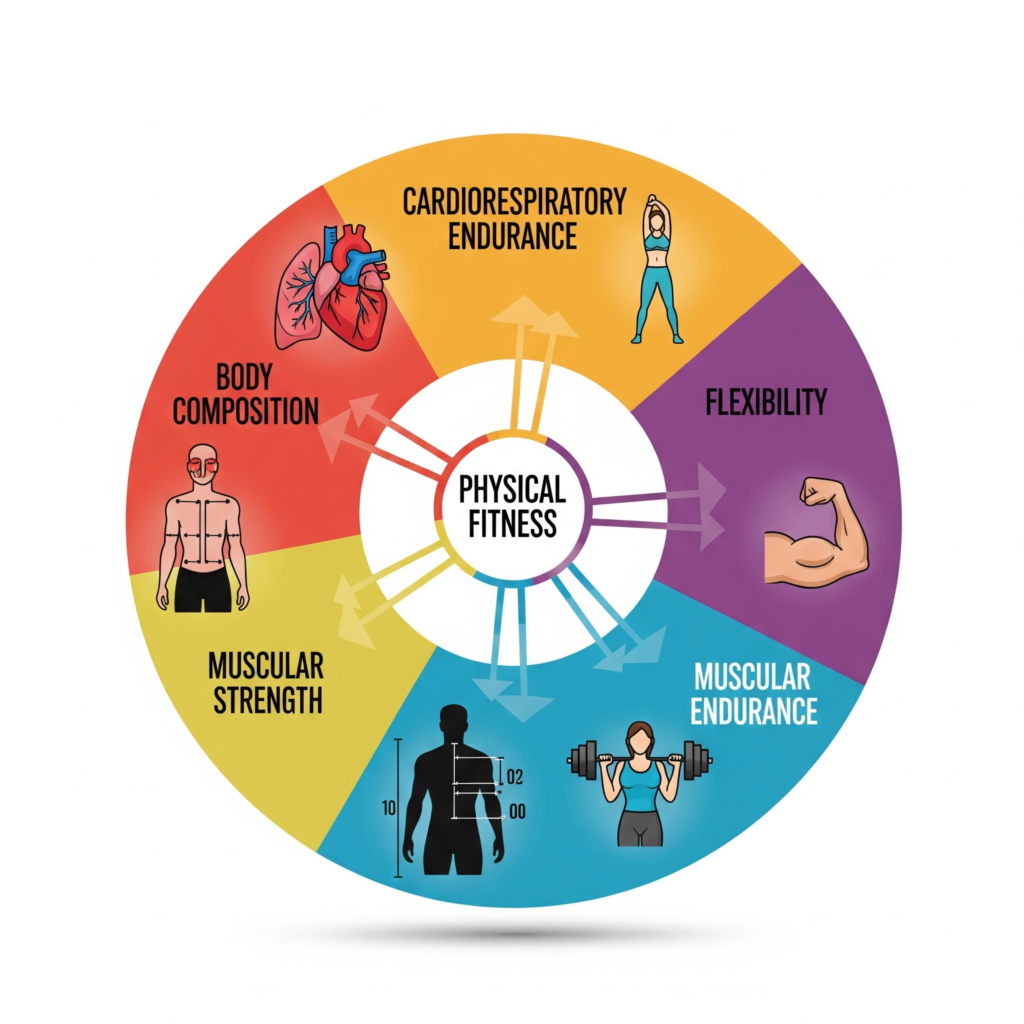
Modern fitness science recognizes five core components that work together to create optimal health:
1. Cardiorespiratory Endurance
This refers to your heart, lungs, and blood vessels’ ability to deliver oxygen to working muscles during prolonged physical activity. Cardiorespiratory fitness (CRF) is arguably the most important health metric, with each 1 metabolic equivalent increase in exercise performance conferring a 12% improvement in survival. Research shows that CRF is a more powerful predictor of mortality than other established cardiovascular risk factors.
2. Muscular Strength
The maximum amount of force your muscles can generate in a single effort. Strength training has experienced a renaissance, with UK searches for ‘strength training’ increasing by 49% year-over-year. This surge reflects growing awareness that strength training benefits extend far beyond muscle building to include improved bone density, joint stability, mental wellbeing, and metabolic health. (Source- xplorgym)
3. Muscular Endurance
Your muscles’ ability to perform repeated contractions over time without fatigue. This component is crucial for daily activities and athletic performance, working in conjunction with strength to create functional fitness.
4. Flexibility
The range of motion available at your joints. Flexibility training helps maintain mobility, prevent injuries, and improve quality of movement. Modern approaches emphasize dynamic flexibility and mobility work rather than static stretching alone.
5. Body Composition
The ratio of fat mass to lean mass in your body. Unlike simple weight measurements, body composition provides insight into overall health and fitness level. Advanced methods like DEXA scans and bioelectrical impedance analysis offer more accurate assessments than traditional scales.
Cardiorespiratory Endurance Explained
Your cardiovascular system is the engine of fitness. When you exercise, your heart rate increases to pump oxygen-rich blood to working muscles. Regular aerobic exercise creates remarkable adaptations: increased stroke volume, improved oxygen extraction, enhanced cardiac output, and greater capillary density in muscles.
The benefits extend beyond physical performance. Aerobic exercise has been shown to boost the size of the hippocampus, the brain region involved in memory and learning. This neuroplasticity effect demonstrates why cardio isn’t just good for your heart—it’s essential for cognitive health.
Muscular Strength vs Muscular Endurance
Understanding the distinction between these components helps optimize training. Muscular strength involves lifting heavy weights for few repetitions (1-6 reps), focusing on maximum force production. Muscular endurance emphasizes lighter weights for higher repetitions (15+ reps), developing the muscle’s ability to resist fatigue.
Both are essential for different reasons. Strength training builds bone density and metabolic efficiency, while endurance training improves daily functional capacity and cardiovascular health. The most effective programs incorporate elements of both.
3. The Science Behind Physical Fitness
a) How Exercise Transforms Your Body
Exercise triggers a cascade of biological adaptations that extend far beyond visible muscle changes. At the cellular level, regular physical activity enhances mitochondrial function—the powerhouses of your cells—improving energy production and metabolic efficiency.
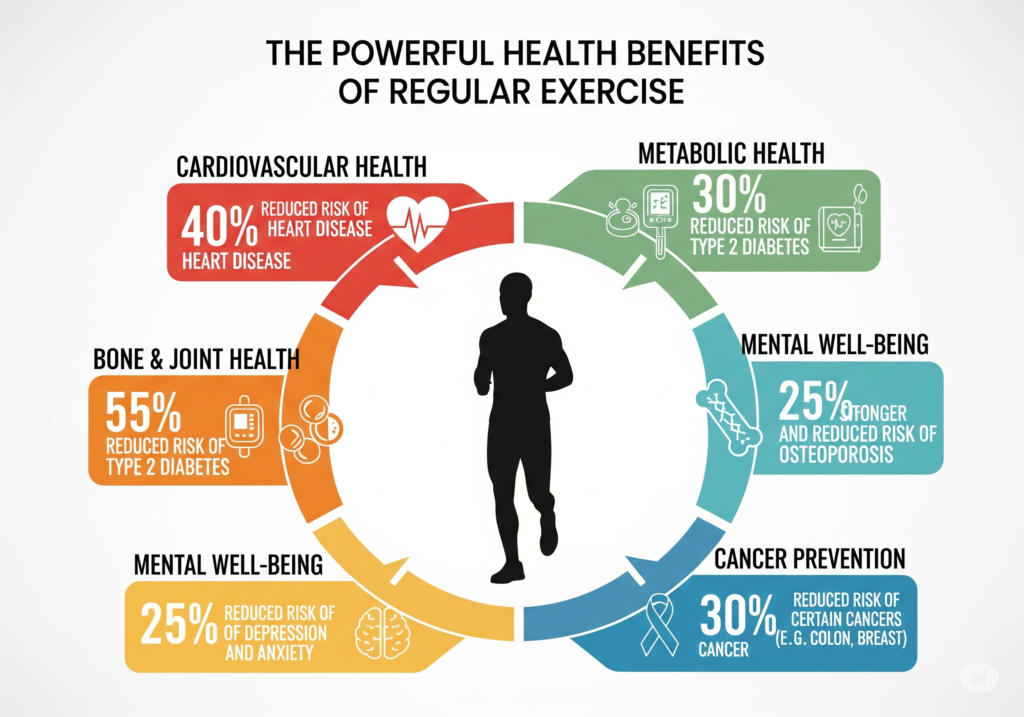
Research reveals that lifelong exercise is associated with delaying the onset of 40 chronic conditions and diseases (Source- pmc)
These protective effects stem from exercise’s ability to:
- Reduce insulin resistance and improve glucose homeostasis
- Decrease systemic inflammation (particularly C-reactive protein levels)
- Improve lipid profiles by reducing triglycerides and increasing HDL cholesterol
- Lower blood pressure and improve autonomic nervous system function
- Enhance endothelial function and coronary blood flow
- Strengthen immune system responses
b) The Molecular Mechanisms of Fitness
Recent breakthroughs in exercise science have revealed the molecular pathways through which physical activity promotes health. The protein PGC-1α, often called the “master regulator” of metabolism, increases dramatically with endurance training. This protein coordinates the expression of genes involved in mitochondrial biogenesis, fat oxidation, and glucose metabolism.
Exercise also stimulates the production of brain-derived neurotrophic factor (BDNF), which promotes neuronal survival, differentiation, and synaptic plasticity. This explains why regular exercise is associated with improved cognitive function, reduced depression, and enhanced learning capacity.
c) Exercise and Genetic Expression
Physical activity literally changes which genes are turned on and off in your cells. This field, called epigenetics, shows that exercise can modify gene expression related to inflammation, metabolism, and aging without changing the underlying DNA sequence. These changes can even be passed to future generations, suggesting that your fitness choices impact not just your health, but potentially your children’s health as well.
4. Why Fitness is Important: Health and Wellness Benefits
a) Physical Health Benefits
The health benefits of regular exercise are so extensive that if exercise were a pill, it would be prescribed to virtually everyone. Overwhelming evidence shows that physically active people have significantly lower risks of premature death from any cause. The relationship is dose-dependent: the most active individuals have relative risks as low as 0.67 compared to the least active.
Cardiovascular Health
Regular exercise reduces cardiovascular disease risk through multiple mechanisms. It strengthens the heart muscle, improves blood vessel function, and optimizes blood pressure. Even modest activity—as little as one hour of walking per week—provides significant cardiovascular protection.
Metabolic Benefits
Exercise improves insulin sensitivity, glucose tolerance, and metabolic flexibility. These adaptations are particularly important given the global diabetes epidemic. Regular physical activity can reduce type 2 diabetes risk by up to 50% and is often more effective than medication for managing blood sugar levels.
Bone and Joint Health
Weight-bearing exercise stimulates bone formation and increases bone density, crucial for preventing osteoporosis. The mechanical stress of exercise also strengthens connective tissues, improving joint stability and reducing injury risk.
b) Mental Health and Cognitive Benefits
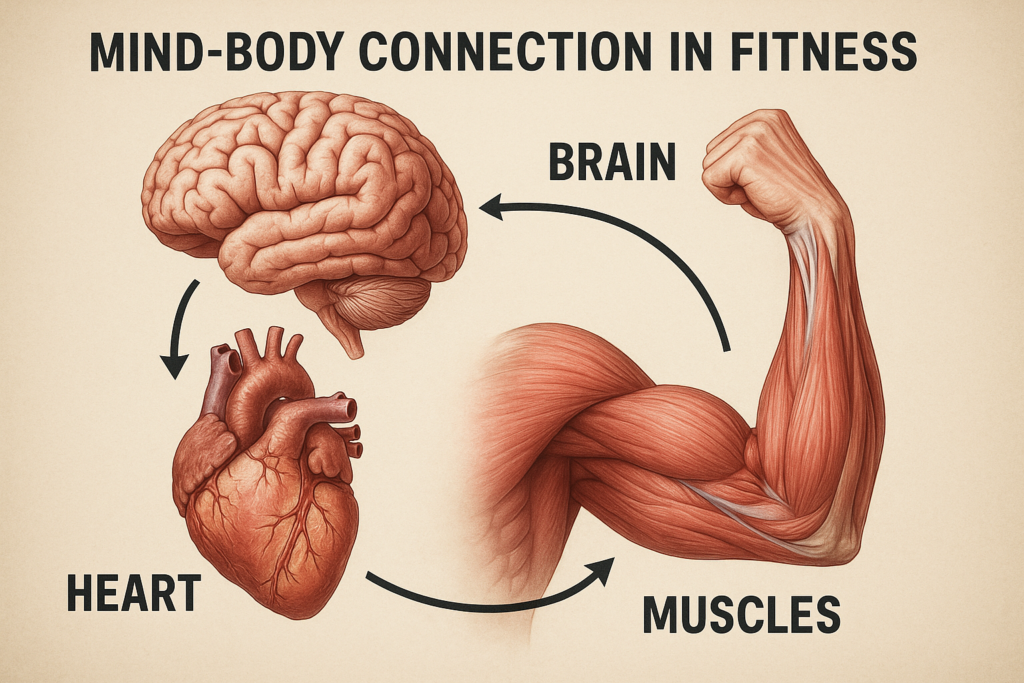
The mental health benefits of exercise rival those of traditional therapies. Physical activity stimulates the production of endorphins, serotonin, and norepinephrine—neurotransmitters that regulate mood and reduce anxiety.
Depression and Anxiety
Meta-analyses consistently show that exercise is as effective as antidepressant medication for treating mild to moderate depression. The British Medical Journal research indicates that walking, jogging, yoga, and strength training are particularly effective for mental health benefits.
Cognitive Enhancement
Exercise literally grows your brain. Aerobic exercise increases hippocampal volume and promotes neurogenesis—the creation of new brain cells. These changes translate to improved memory, learning capacity, and executive function. The cognitive benefits are so pronounced that exercise is now recommended as a primary prevention strategy for dementia.
Sleep Quality
Regular exercise improves sleep duration and quality through multiple pathways. It helps regulate circadian rhythms, reduces stress hormones, and promotes the production of sleep-inducing neurotransmitters. Better sleep, in turn, supports recovery, hormone regulation, and cognitive function.
c) Social and Emotional Benefits
Fitness extends beyond individual health to encompass social connection and emotional wellbeing. Group fitness classes, running clubs, and sports teams provide social support networks that enhance adherence and enjoyment. The sense of accomplishment from reaching fitness goals builds self-efficacy that translates to other life areas.
The rise of run clubs exemplifies this trend, with Google Trends showing explosive growth in interest. These communities combine physical activity with social connection, addressing both fitness and mental health needs simultaneously.
5. Types of Fitness: A Comprehensive Overview
a) Cardiovascular Training (Cardio)
Cardiovascular exercise, also known as aerobic exercise, forms the foundation of most fitness programs. This category includes any activity that elevates heart rate and breathing for extended periods, promoting adaptations in the cardiovascular and respiratory systems.

Traditional Cardio Options:
- Running and jogging
- Cycling (indoor and outdoor)
- Swimming
- Rowing
- Elliptical training
- Walking (often underestimated but highly effective)
Benefits and Applications:
Cardio exercise improves VO₂ max, the gold standard measure of aerobic fitness. Higher VO₂ max values are associated with reduced mortality risk and better quality of life. The American Heart Association recommends at least 150 minutes of moderate-intensity or 75 minutes of vigorous-intensity aerobic activity weekly. (Source- mayoclinic)
b) Strength Training and Resistance Exercise
Strength training has emerged from bodybuilding niche to mainstream fitness, driven by compelling research on its health benefits. The global fitness industry has witnessed a “strength training renaissance,” with traditional strength training ranking 5th in the ACSM’s 2025 worldwide fitness trends.
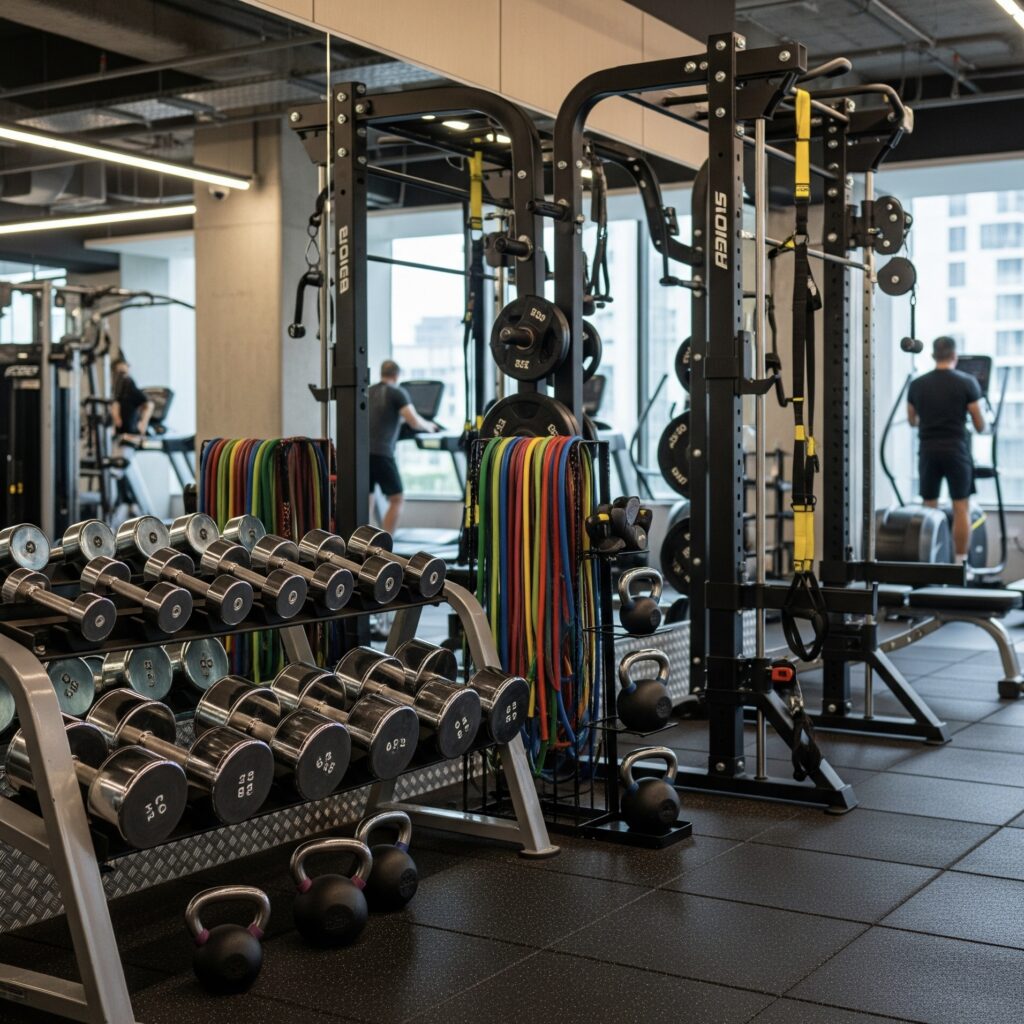
Types of Strength Training:
- Free weights (barbells, dumbbells, kettlebells)
- Machine-based training
- Bodyweight exercises
- Resistance band training
- Cable-based training
- Functional movement patterns
Physiological Adaptations:
Strength training induces multiple beneficial adaptations beyond muscle hypertrophy. It increases bone mineral density, improves insulin sensitivity, elevates metabolic rate, and enhances functional capacity for daily activities. For older adults, strength training is particularly crucial for maintaining independence and preventing sarcopenia (age-related muscle loss).
c) High-Intensity Interval Training (HIIT)
HIIT has revolutionized fitness training by maximizing results in minimal time. This training method alternates between short bursts of high-intensity exercise and recovery periods, creating a powerful stimulus for both aerobic and anaerobic adaptations.

HIIT Protocol Examples:
- Tabata (20 seconds work, 10 seconds rest, 8 rounds)
- 4×4 intervals (4 minutes work, 4 minutes recovery)
- 30:30 intervals (30 seconds work, 30 seconds recovery)
- Sprint intervals (15-30 seconds all-out, 2-3 minutes recovery)
Scientific Benefits:
Research demonstrates that HIIT can improve VO₂ max as effectively as traditional steady-state cardio in significantly less time. HIIT also creates superior post-exercise oxygen consumption (EPOC), meaning you continue burning calories at elevated rates after the workout ends.
HIIT remains a dominant trend in 2025, ranking 6th in the ACSM’s fitness trends survey. Its time efficiency makes it particularly appealing to busy professionals seeking maximum results from minimal time investment.
HIIT vs Traditional Cardio: The Ultimate Showdown
d) Functional Fitness Training
Functional fitness focuses on movements that translate directly to daily activities and real-world performance. Unlike isolation exercises that target single muscles, functional training emphasizes multi-joint, multi-muscle movements that improve overall movement quality and efficiency.
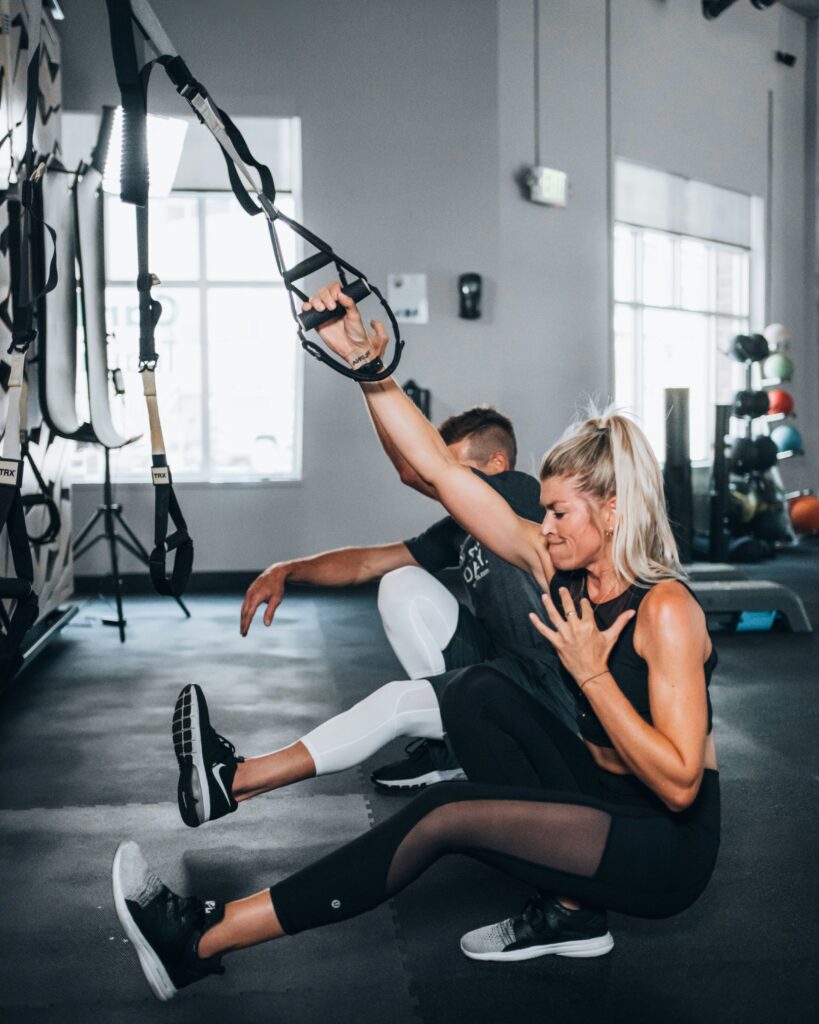
Core Principles:
- Movement patterns over isolated muscles
- Stability before mobility
- Integration of multiple systems
- Progressive overload through complexity
- Real-world application
Popular Functional Exercises:
- Squats and squat variations
- Deadlifts and hip hinge movements
- Pushing and pulling patterns
- Carrying and loading exercises
- Rotational and anti-rotational movements
Functional fitness training ranked 9th in the 2025 ACSM worldwide trends, reflecting its growing recognition as essential for healthy aging and injury prevention.
e) Yoga and Mindfulness-Based Exercise
Yoga represents the perfect fusion of physical fitness and mental wellness, combining strength, flexibility, balance, and mindfulness in a single practice. The ancient practice has evolved to meet modern needs, with various styles catering to different goals and preferences.

Popular Yoga Styles:
- Hatha (slow-paced, foundational poses)
- Vinyasa (flowing sequences)
- Ashtanga (athletic, structured sequences)
- Yin (passive, long-held poses)
- Hot yoga (heated environment)
- Restorative (relaxation-focused)
Evidence-Based Benefits:
Research consistently demonstrates yoga’s effectiveness for improving flexibility, balance, strength, and stress reduction. Studies show yoga can be as effective as physical therapy for certain conditions and provides unique benefits for mental health through its mindfulness component.
f) Pilates: Core Strength and Stability
Pilates has experienced remarkable growth, becoming one of the hottest fitness trends of 2025. This low-impact exercise method emphasizes core strength, flexibility, and body awareness through controlled movements and breathing patterns.
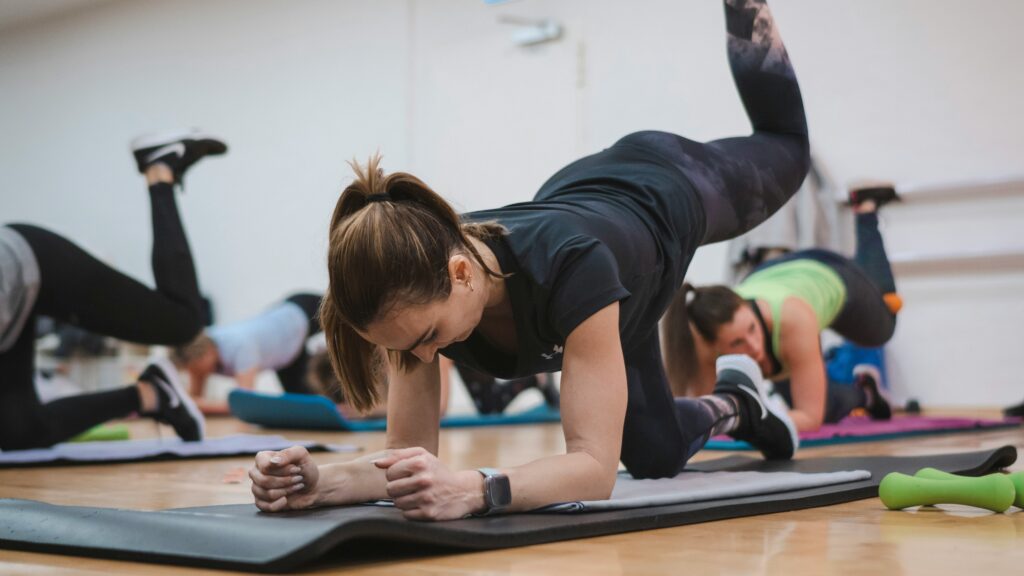
Pilates Principles:
- Concentration and mental focus
- Control and precision
- Centering from the core
- Flow and efficiency
- Breath coordination
- Muscle balance
Modern Applications:
Contemporary Pilates incorporates traditional mat work with apparatus-based training using reformers, towers, and other specialized equipment. The method’s focus on functional movement and postural awareness makes it particularly valuable for addressing modern lifestyle challenges like prolonged sitting and technology-related postural issues.
g) CrossFit and Group Fitness Programs
CrossFit popularized the concept of varied, high-intensity functional movement, creating a global community around fitness competition and camaraderie. While CrossFit is a specific methodology, it represents the broader trend toward group fitness programming that combines multiple training modalities.

CrossFit Characteristics:
- Constantly varied workouts
- Functional movement patterns
- High-intensity execution
- Community-focused environment
- Competitive elements
- Measurable performance metrics
Group Fitness Evolution:
The group fitness landscape has expanded beyond traditional aerobics classes to include boot camps, circuit training, and hybrid programs. These formats provide social support, professional instruction, and structured programming that many individuals find more engaging than solo training.
6. Latest Fitness Trends and Innovations in 2025
The fitness industry in 2025 is characterized by technological integration, personalization, and a holistic approach to wellness. Understanding these trends helps you stay current with the most effective and engaging fitness approaches available.
a) Wearable Technology and Smart Fitness
Wearable technology claimed the #1 spot in the 2025 ACSM Worldwide Fitness Trends survey, continuing its dominance in the fitness landscape. The wearable devices market, worth over $178.72 billion in 2024, is projected to exceed $572 billion by 2033. (Source- explodingtopics)
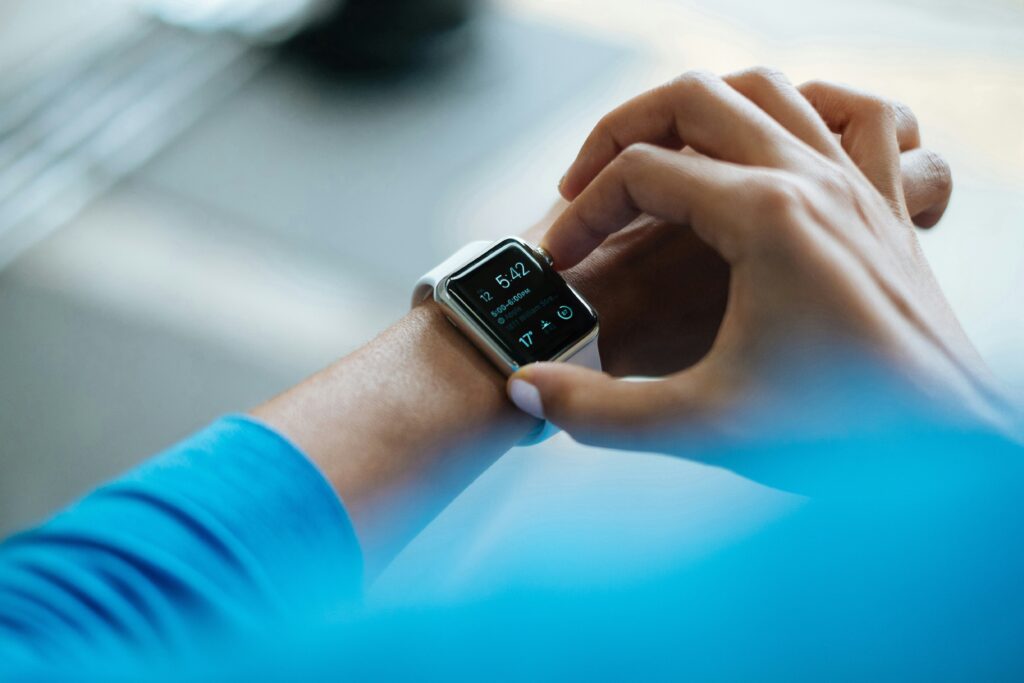
Current Wearable Categories:
- Smartwatches with comprehensive health tracking
- Fitness bands focusing on activity monitoring
- Smart rings for discrete continuous monitoring
- Heart rate monitors for precision training
- Smart clothing with embedded sensors
- Sleep tracking devices
Advanced Features in 2025:
Modern wearables go far beyond step counting. Today’s devices monitor heart rate variability, sleep stages, recovery metrics, stress levels, blood oxygen saturation, and even electrocardiogram readings. Some advanced devices can track blood pressure, body temperature, and respiratory rate, providing unprecedented insight into physiological status.
Gamification and Behavior Change:
Wearables increasingly incorporate gamification elements—challenges, badges, social competitions, and achievement systems that make fitness engaging and addictive. Whether it’s closing Apple Watch rings, joining Fitbit challenges, or tracking WHOOP recovery scores, users rely on data to optimize workouts and maintain accountability.
b) Biohacking and Performance Optimization
Biohacking—the practice of making incremental changes to optimize health and performance—has moved from fringe communities to mainstream acceptance. Search volume for “biohacking” has increased by 394% over the past decade. (Source- explodingtopics)

Popular Biohacking Interventions:
- Continuous glucose monitoring for non-diabetics
- Cold exposure therapy and ice baths
- Red light therapy for recovery
- Intermittent fasting protocols
- Sleep optimization techniques
- Nootropic supplementation
- Heart rate variability training
Technology-Enabled Biohacking:
Advanced biohacking incorporates wearable sensors, smartphone apps, and even implantable devices to track and optimize biological parameters. Continuous glucose monitors help optimize nutrition timing, while sleep trackers enable precision sleep enhancement strategies.
c) Virtual and Hybrid Training Programs
The pandemic accelerated virtual fitness adoption, but rather than replacing in-person training, technology has enabled hybrid approaches that combine the best of both worlds. Mobile exercise apps ranked #2 in the 2025 ACSM fitness trends, up from #7 in 2024.
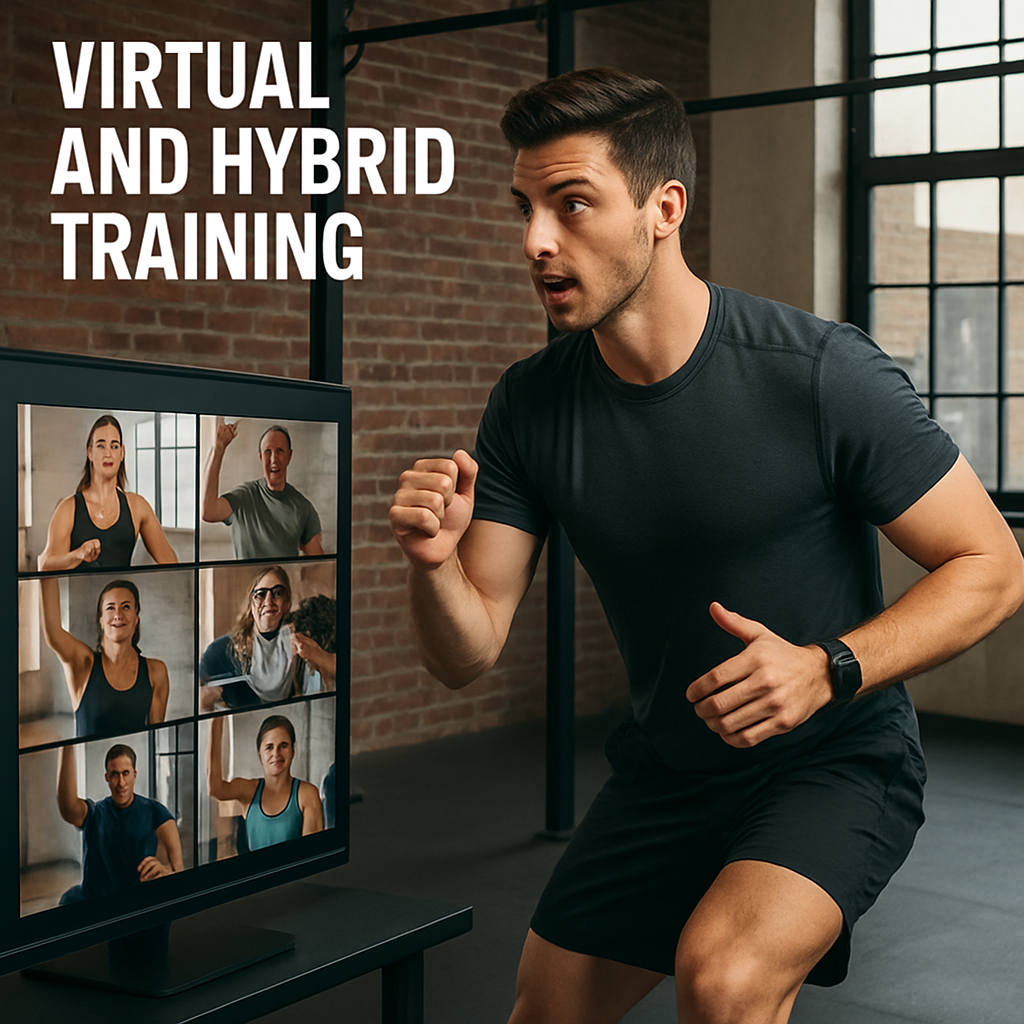
Virtual Training Advantages:
- Accessibility regardless of location
- Schedule flexibility
- Cost-effectiveness
- Personalized programming
- Global instructor access
- Reduced intimidation factor
Hybrid Model Benefits:
Many fitness facilities now offer hybrid memberships combining in-person access with unlimited virtual classes. This approach provides flexibility while maintaining social connection and professional instruction quality.
Emerging Technologies:
Virtual reality (VR) and augmented reality (AR) are beginning to transform virtual fitness experiences. VR workouts create immersive environments that make exercise feel like gaming, while AR overlays provide real-time form correction and motivation.
d) Recovery Technologies and Wellness Integration
Recovery has evolved from an afterthought to a central component of fitness programming. Hot and Cold Therapies debuted at #20 in the 2025 ACSM fitness trends, reflecting growing interest in recovery modalities.
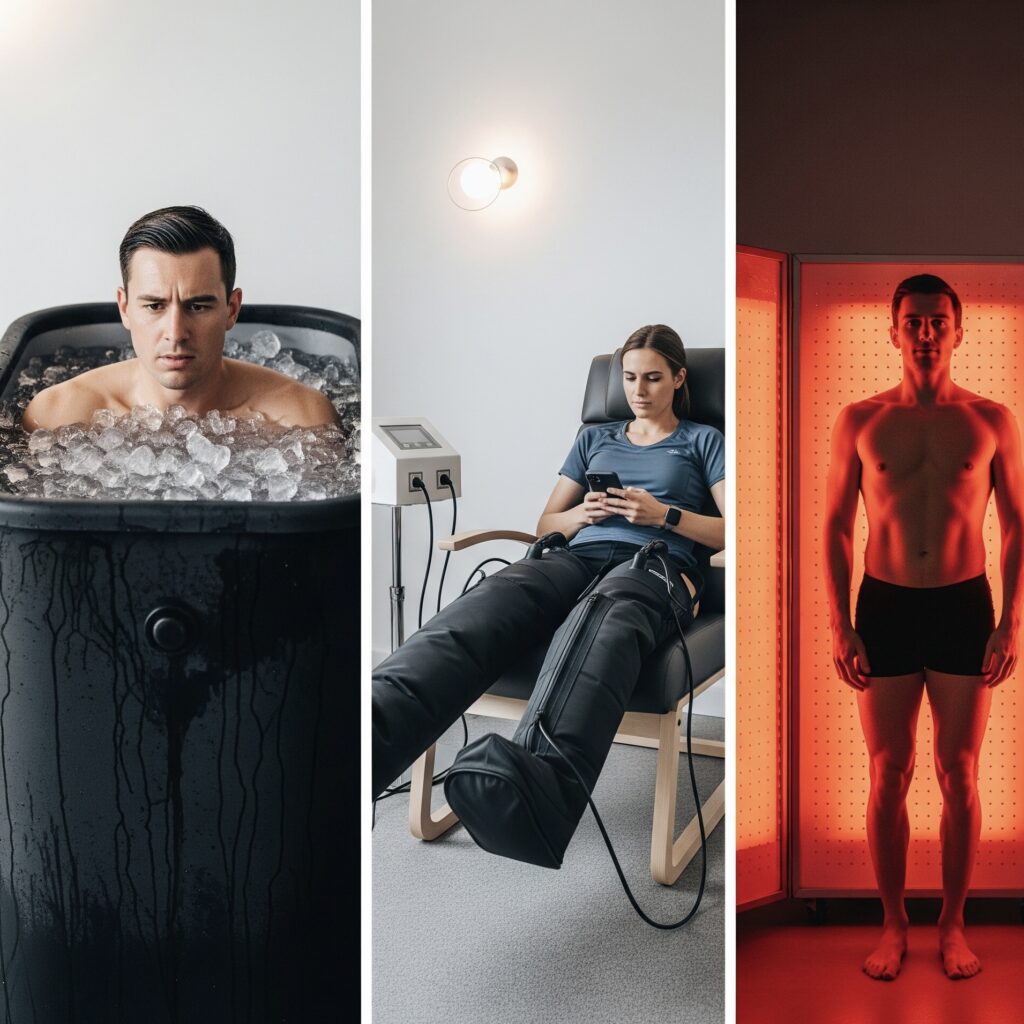
Popular Recovery Technologies:
- Cryotherapy and cold plunge pools
- Infrared saunas and heat therapy
- Compression therapy and pneumatic devices
- Percussion massage devices
- Red light therapy panels
- Float tanks and sensory deprivation
- Meditation and mindfulness apps
Integration with Fitness Programs:
Modern gyms increasingly incorporate recovery zones with multiple modalities. Chains like Life Time and Crunch Fitness have added dedicated relax-and-recover areas, recognizing that recovery services create additional revenue opportunities while enhancing member satisfaction.
e) AI-Powered Personal Training
Artificial Intelligence is revolutionizing personal training by creating highly customizable workout and nutrition plans. UK searches for AI workout terms have exploded, with “AI workout” increasing by 400% year-over-year. (Source- xplorgym)
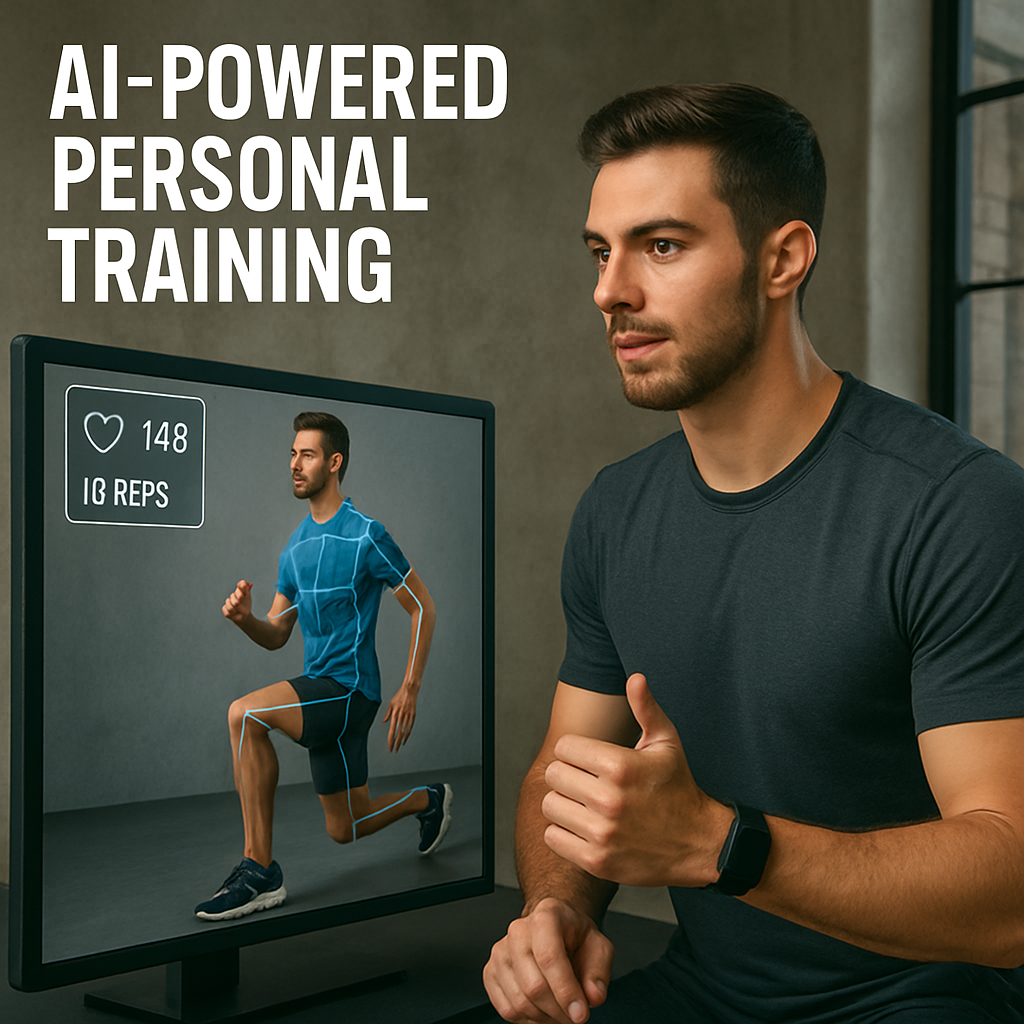
AI Training Capabilities:
- Real-time form analysis and correction
- Adaptive program modification based on performance
- Predictive injury prevention
- Personalized nutrition recommendations
- Recovery optimization suggestions
- Progress prediction and goal setting
Human-AI Collaboration:
Rather than replacing human trainers, AI enhances their capabilities. Trainers can leverage AI for program design, progress tracking, and client communication, allowing them to focus on motivation, relationship building, and complex problem-solving that machines cannot replicate.
e) Strength Training Renaissance
Strength training has experienced unprecedented mainstream adoption. Traditional strength training with free weights ranked #5 in the 2025 ACSM trends, while strength-related searches have surged across all demographics.
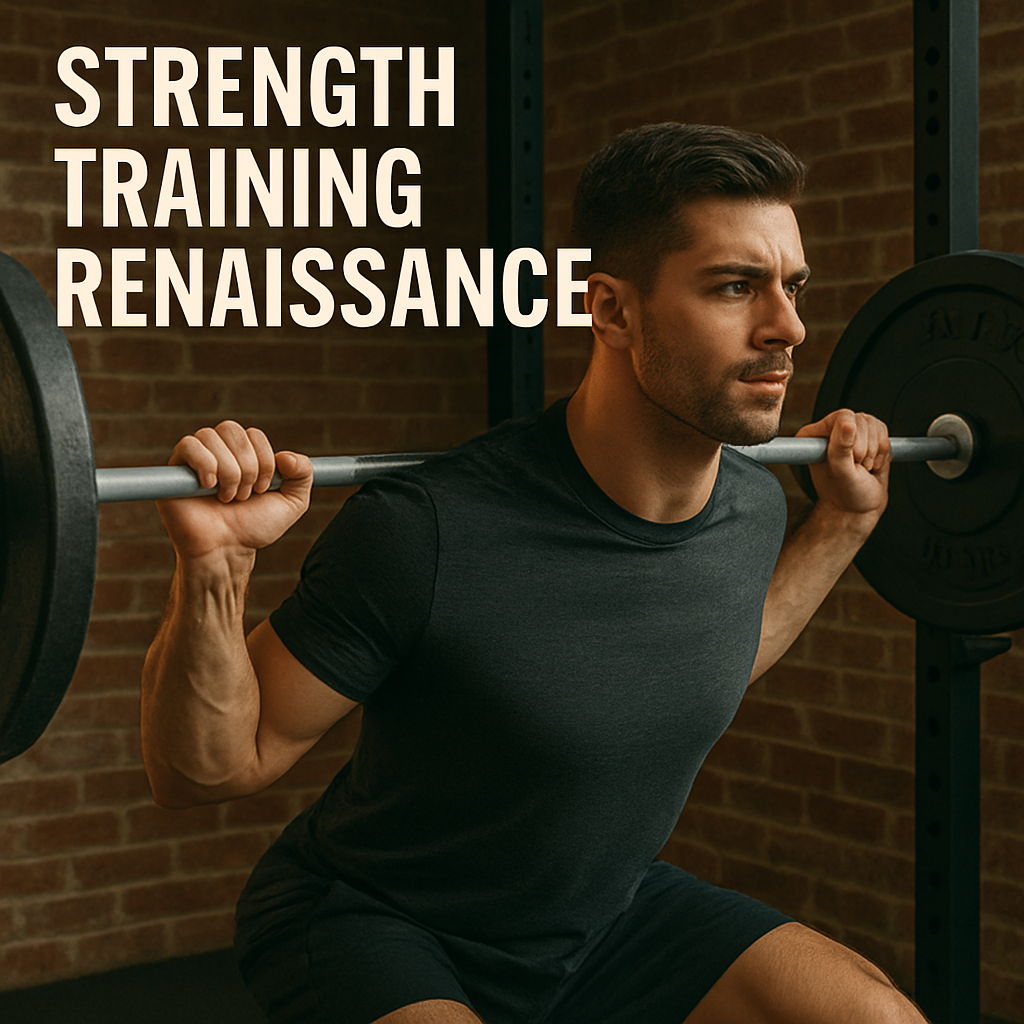
Driving Factors:
- Growing awareness of bone health benefits
- Research on strength training for longevity
- Recognition of metabolic advantages
- Functional movement emphasis
- Social media influence and education
- Accessibility improvements in gym design
Modern Applications:
Contemporary strength training emphasizes functional patterns, progressive overload principles, and individualization. Programs focus less on isolated muscle building and more on movement quality, injury prevention, and real-world strength application.
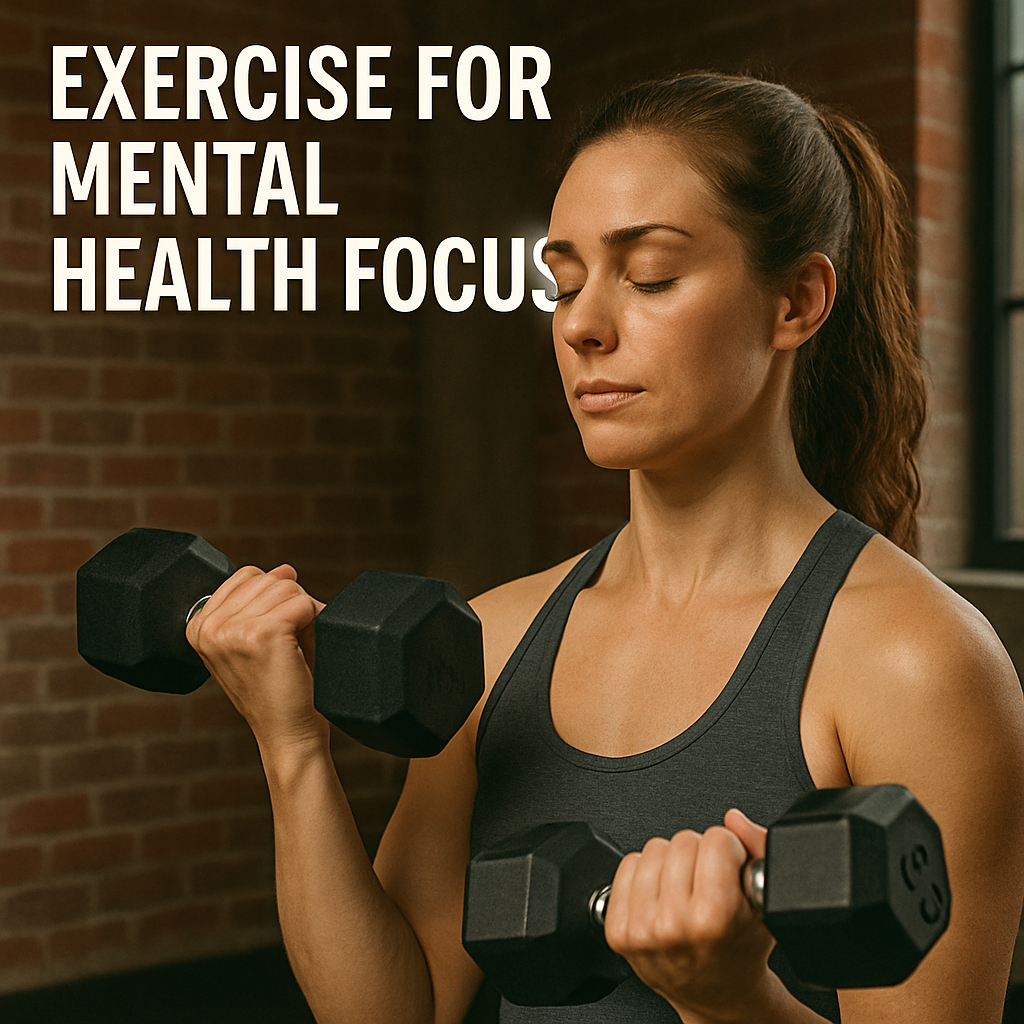
f) Exercise for Mental Health Focus
Exercise for Mental Health ranked #8 in the 2025 ACSM worldwide trends, reflecting growing recognition of the psychological benefits of physical activity. According to ukactive research, 79% of gym members joined specifically to improve mental health and wellbeing.
Effective Modalities for Mental Health:
- Walking and light aerobic activity
- Yoga and mindfulness-based movement
- Strength training for confidence building
- Group fitness for social connection
- Outdoor exercise for nature exposure
- Dance and expressive movement
Program Integration:
Fitness programs increasingly incorporate mental health elements—mindfulness moments, stress reduction techniques, and emotional wellness education. This holistic approach addresses the whole person rather than just physical fitness.
7. Creating Your Personal Fitness Journey
a) Assessing Your Current Fitness Level
Before embarking on any fitness program, establishing baseline measurements provides crucial reference points for tracking progress and designing appropriate interventions. Professional fitness assessments typically evaluate the five components of fitness through standardized tests.
Cardiorespiratory Assessment:
- Resting heart rate and blood pressure
- Submaximal or maximal VO₂ testing
- Step test or walk test protocols
- Recovery heart rate measurements
Strength and Muscular Endurance Testing:
- One-repetition maximum (1RM) testing for major movements
- Push-up and plank endurance tests
- Grip strength measurement
- Functional movement screening
Flexibility and Mobility Evaluation:
- Sit-and-reach test for hamstring flexibility
- Shoulder mobility assessment
- Hip flexor and ankle mobility tests
- Movement quality screening
Body Composition Analysis:
- Bioelectrical impedance analysis
- DEXA scan for detailed body composition
- Circumference measurements
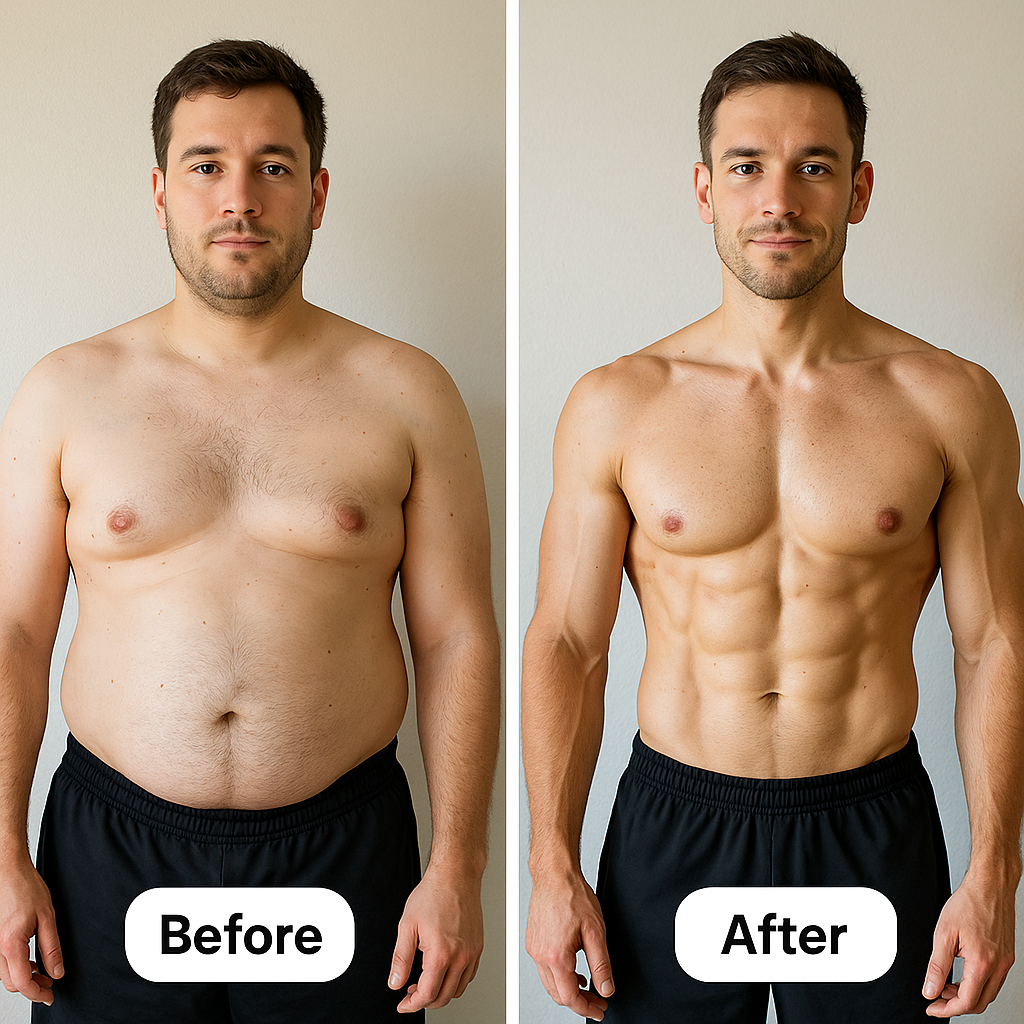
- Progress photos for visual tracking
b) Setting SMART Fitness Goals
Effective goal setting follows the SMART criteria: Specific, Measurable, Achievable, Relevant, and Time-bound. Fitness goals should address both outcome measures (weight loss, strength gains) and process measures (workout frequency, nutritional habits).
Example SMART Goals:
- Specific: “Increase my squat 1RM by 50 pounds”
- Measurable: “Complete three strength training sessions per week”
- Achievable: “Run a 5K without stopping within 8 weeks”
- Relevant: “Improve my energy levels for daily activities”
- Time-bound: “Lose 20 pounds in 6 months through diet and exercise”
Program design should reflect your goals, current fitness level, available time, and personal preferences. The most effective programs balance progressive overload with adequate recovery, ensuring sustainable long-term adherence.
c) Designing Your Training Program
Training Frequency Recommendations:
- Beginners: 3-4 days per week total exercise
- Intermediate: 4-5 days per week with varied intensities
- Advanced: 5-6 days per week with periodized programming
Program Components:
Every well-rounded program should include cardiovascular training, strength training, flexibility work, and recovery periods. The specific emphasis depends on individual goals and preferences.
Periodization Principles:
Effective programs incorporate planned variation in training stress through periodization. This might involve alternating high and low-intensity weeks, progressive overload cycles, and planned deload periods for recovery and adaptation.
8. Nutrition and Fitness: The Perfect Partnership
a) The Fundamentals of Sports Nutrition
Nutrition and fitness work synergistically to optimize health outcomes and performance. While exercise creates the stimulus for adaptation, proper nutrition provides the raw materials for recovery, growth, and energy production.
Macronutrient Roles:
- Carbohydrates: Primary fuel for high-intensity exercise and brain function
- Proteins: Building blocks for muscle repair and growth
- Fats: Essential for hormone production and long-duration energy
Timing Considerations:
Nutrient timing can enhance training adaptations and recovery. Pre-workout nutrition should emphasize readily available energy, while post-workout nutrition focuses on replenishing glycogen and providing protein for muscle protein synthesis.
b) Hydration and Performance
Proper hydration is fundamental to exercise performance and recovery. Even mild dehydration (2% of body weight) can significantly impair physical and cognitive performance. Active individuals require individualized hydration strategies based on sweat rates, exercise duration, and environmental conditions.
Hydration Guidelines:
- Pre-exercise: 16-20 oz of fluid 2-3 hours before activity
- During exercise: 6-8 oz every 15-20 minutes for activities >60 minutes
- Post-exercise: 150% of fluid losses to account for continued sweating
c) Functional Nutrition Trends
The functional nutrition space has expanded rapidly, with approximately half of consumers in developed countries purchasing functional nutrition products last year. This trend reflects the shift toward food as preventative medicine, with consumers seeking foods that include high-value components like protein, nootropics, and adaptogens.
Popular Functional Ingredients:
- Protein powders and enhanced protein foods
- Omega-3 fortified products
- Probiotic and prebiotic foods
- Adaptogenic herbs and mushrooms
- Antioxidant-rich superfoods
- Nootropic compounds for cognitive enhancement
d) Supplement Considerations
While whole foods should form the foundation of any nutrition plan, targeted supplementation can address specific needs or deficiencies. Evidence-based supplements for active individuals include creatine monohydrate, protein powder, vitamin D, omega-3 fatty acids, and magnesium.
Supplement Safety:
The supplement industry lacks stringent regulation, making third-party testing and quality certifications crucial. Look for products certified by NSF International, Informed Sport, or USP to ensure purity and potency.
9. Mental Health and Fitness Connection
a) The Neurobiological Basis of Exercise and Mood
The relationship between exercise and mental health operates through multiple neurobiological pathways. Physical activity stimulates the production of endorphins—the body’s natural “feel-good” chemicals—while also increasing levels of serotonin, norepinephrine, and dopamine.
Key Mechanisms:
- Endorphin release creating natural euphoria
- Neurotransmitter regulation improving mood stability
- BDNF production enhancing neuroplasticity
- Inflammation reduction protecting brain health
- Stress hormone regulation improving resilience
Research published in the British Medical Journal identified walking, jogging, yoga, and strength training as particularly effective exercise modalities for mental health benefits. The mechanisms vary by activity type, with aerobic exercise primarily affecting neurotransmitter systems and yoga incorporating additional mindfulness benefits.
b) Exercise as Medicine for Mental Health Conditions
Exercise is increasingly recognized as an evidence-based treatment for various mental health conditions. Meta-analyses demonstrate that structured exercise programs can be as effective as antidepressant medication for treating mild to moderate depression, with the added benefit of no side effects.
Effectiveness by Condition:
- Depression: Moderate to high effectiveness, particularly with aerobic exercise
- Anxiety: High effectiveness, especially with yoga and mindful movement
- ADHD: Moderate effectiveness for improving focus and reducing hyperactivity
- PTSD: Emerging evidence for trauma-sensitive yoga and martial arts
- Addiction recovery: Strong evidence for exercise as part of comprehensive treatment
c) Mindfulness and Movement
The integration of mindfulness with physical movement creates powerful synergies for mental health. Practices like yoga, tai chi, and qigong combine physical activity with present-moment awareness, meditation, and breath work.
Benefits of Mindful Movement:
- Enhanced body awareness and proprioception
- Stress reduction through parasympathetic activation
- Improved emotional regulation skills
- Greater exercise enjoyment and adherence
- Reduced exercise-related anxiety and perfectionism
d) Social Connection Through Fitness
Group fitness activities provide crucial social support networks that enhance both mental health and exercise adherence. The rise of run clubs, fitness communities, and group training reflects recognition that social connection is as important as physical activity itself.
Community Benefits:
- Accountability and motivation
- Shared goal achievement
- Social support during challenges
- Reduced feelings of isolation
- Enhanced self-efficacy through group success
10. Fitness Technology and Wearables
a) The Wearable Revolution
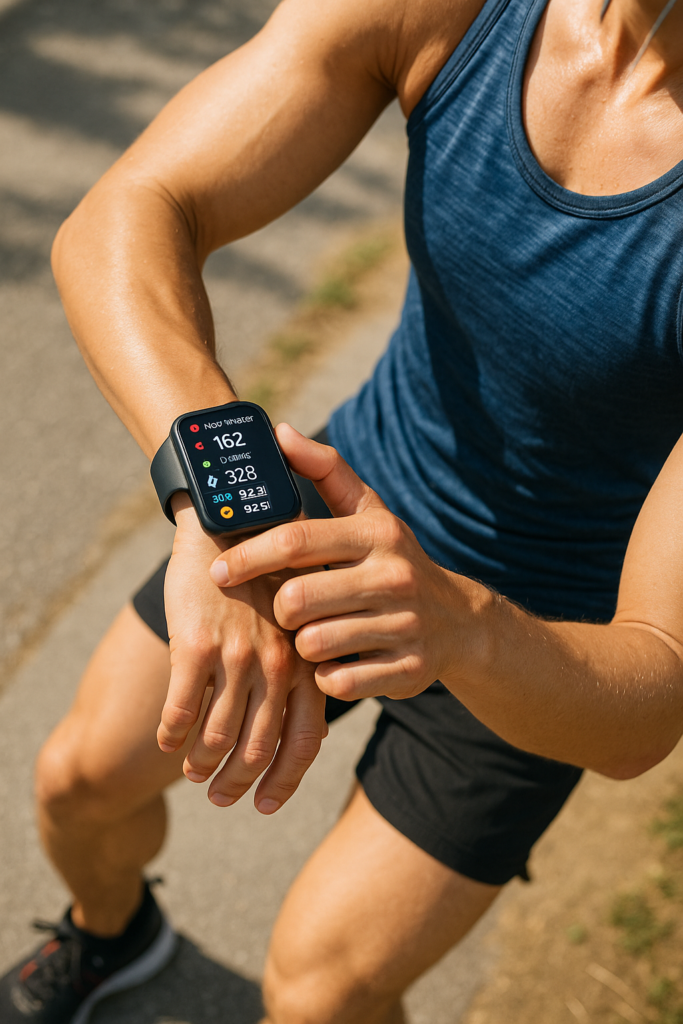
Wearable technology has transformed how we approach fitness monitoring and optimization. The global wearables market, worth over $178 billion in 2024 (Source- explodingtopics), continues expanding as devices become more sophisticated and affordable.
Evolution of Wearable Capabilities:
First-generation fitness trackers simply counted steps and estimated calories. Today’s devices offer comprehensive health monitoring including:
- Continuous heart rate and heart rate variability
- Sleep stage tracking and sleep quality metrics
- Stress monitoring and recovery recommendations
- Blood oxygen saturation (SpO₂) monitoring
- Electrocardiogram (ECG) capabilities
- Fall detection and emergency features
- GPS tracking for outdoor activities
Emerging Wearable Categories:
Smart rings like the Oura Ring provide 24/7 health monitoring in an unobtrusive form factor. Smart clothing with embedded sensors offers more accurate biomechanical data. Continuous glucose monitors, traditionally used by diabetics, are now being adopted by healthy individuals for metabolic optimization.
b) Data-Driven Training Optimization
Modern wearables generate vast amounts of physiological data that can inform training decisions. Heart rate variability (HRV) data helps determine daily readiness for training, while sleep metrics inform recovery needs.
Key Metrics for Training Optimization:
- Resting heart rate trends indicating fitness improvements
- Heart rate variability for recovery assessment
- Sleep quality metrics affecting training capacity
- Training load and recovery balance
- Cadence and form analysis for technique improvement
Challenges and Limitations:
While wearable technology offers unprecedented insight into physiological status, data overload can become problematic. Users may develop unhealthy obsessions with metrics or misinterpret normal physiological variations. The key is focusing on trends rather than daily fluctuations and using data to inform rather than dictate training decisions.
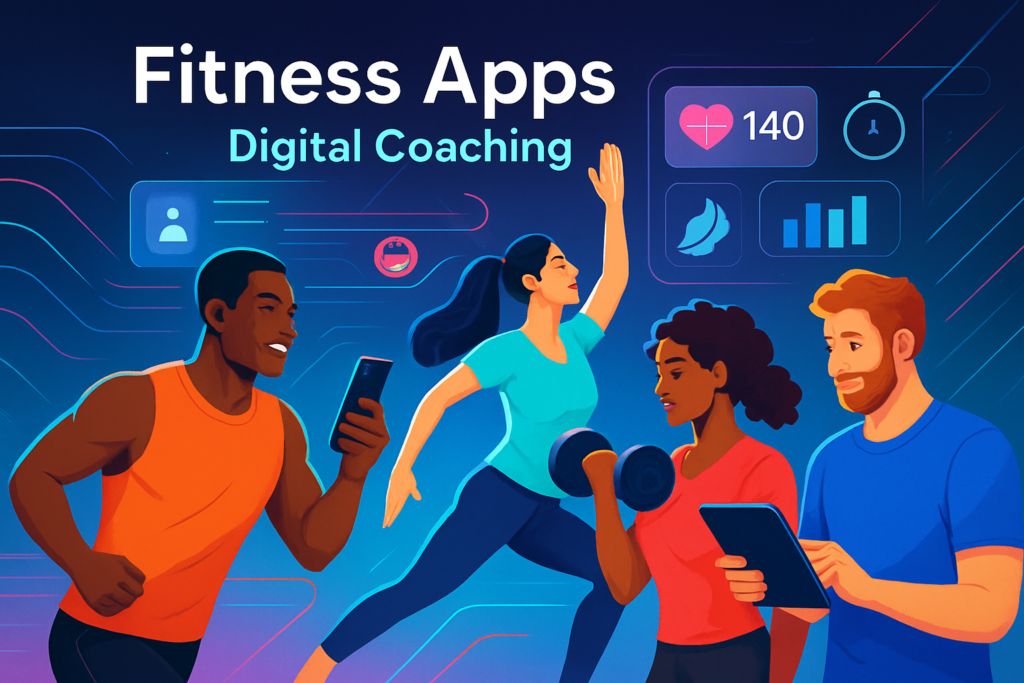
c) Fitness Apps and Digital Coaching
Mobile fitness apps have evolved from simple workout libraries to comprehensive coaching platforms. The rise of AI-powered apps provides personalized programming that adapts to user progress and preferences.
App Categories:
- Workout programming and instruction
- Nutrition tracking and meal planning
- Sleep optimization and monitoring
- Meditation and mindfulness training
- Social fitness and community building
- Recovery and wellness tracking
AI Integration:
Advanced apps use machine learning algorithms to analyze user data and provide personalized recommendations. These systems can adjust workout intensity based on recovery metrics, suggest optimal nutrition timing, and predict injury risk based on training patterns.
11. Common Fitness Myths Debunked
Myth 1: “No Pain, No Gain”
This pervasive myth has led to countless injuries and burnout cases. While some discomfort is normal during challenging exercise, pain is a warning signal that shouldn’t be ignored.
The Reality:
Effective training requires progressive overload—gradually increasing training stress over time. This can create temporary discomfort as muscles adapt, but sharp pain or persistent soreness indicates potential injury. The most successful long-term fitness approaches emphasize consistency over intensity.
Better Approach:
Listen to your body and distinguish between productive challenge and harmful stress. Use perceived exertion scales, monitor recovery metrics, and incorporate adequate rest periods into your training program.
Myth 2: “Cardio is Best for Weight Loss”
While cardiovascular exercise burns calories during activity, this narrow focus ignores the metabolic benefits of strength training and the importance of muscle mass in long-term weight management.
The Science:
Muscle tissue is metabolically active, burning calories even at rest. Strength training creates an “afterburn effect” (EPOC) that elevates metabolism for hours post-exercise. Additionally, preserving muscle mass during weight loss ensures that metabolic rate doesn’t decrease as body weight drops.
Evidence-Based Approach:
Combine cardiovascular exercise with strength training for optimal body composition changes. High-intensity interval training provides many cardio benefits in less time while building muscle and improving metabolic flexibility.
Myth 3: “You Can’t Build Muscle After 40”
Age-related muscle loss (sarcopenia) begins in the 30s, but this process can be dramatically slowed or reversed through appropriate strength training at any age.
Research Evidence:
Studies demonstrate that adults in their 60s, 70s, and even 80s can build significant muscle mass and strength through progressive resistance training. The key is consistent training with adequate protein intake and appropriate recovery.
Practical Applications:
Older adults may require longer recovery periods between intense sessions and should prioritize movement quality over heavy loads. However, the fundamental principles of progressive overload apply regardless of age.
Myth 4: “Spot Reduction Works”
The belief that you can target fat loss from specific body areas through localized exercise persists despite overwhelming scientific evidence to the contrary.
Physiological Reality:
Fat loss occurs systematically throughout the body based on genetics, hormones, and overall energy balance. While targeted exercises can strengthen and build muscle in specific areas, they cannot selectively remove fat from those regions.
Effective Strategy:
Focus on creating a sustainable caloric deficit through combined diet and exercise approaches. Strength training all major muscle groups while maintaining cardiovascular fitness provides the best foundation for healthy body composition changes.
Myth 5: “More is Always Better”
Exercise addiction and overtraining syndrome demonstrate that excessive exercise can be counterproductive and harmful.
The Dose-Response Relationship:
Like medication, exercise has an optimal dose. Too little provides minimal benefit, while too much can suppress immune function, increase injury risk, and impair recovery. The sweet spot varies by individual but generally involves consistent moderate activity with periodic higher-intensity sessions.
Recovery Integration:
Rest days are when adaptations actually occur. Without adequate recovery, training stress accumulates without corresponding fitness improvements. Successful programs balance training stress with recovery periods.
12. Starting Your Fitness Journey: Beginner’s Guide
a) Taking the First Steps
Beginning a fitness journey can feel overwhelming given the abundance of information and options available. The key is starting with sustainable habits rather than dramatic changes that are difficult to maintain.
Week 1-2: Movement Foundation
Focus on establishing basic movement patterns and consistency rather than intensity. Begin with 20-30 minute sessions combining light cardio (walking, easy cycling) with bodyweight exercises (squats, push-ups, planks).
Week 3-4: Progressive Challenge
Gradually increase session duration to 30-45 minutes and add light resistance training using bands or light dumbbells. Introduce basic strength movements: squats, push-ups, rows, and core exercises.
Week 5-8: Structured Programming
Develop a more structured routine with designated cardio and strength days. Begin tracking workouts to monitor progress and maintain motivation.
b) Overcoming Common Barriers
Time Constraints:
Start with 15-20 minute sessions rather than skipping exercise entirely. High-intensity interval training and circuit-style workouts maximize results in minimal time. Consider home workouts to eliminate travel time to fitness facilities.
Gym Intimidation:
Many beginners feel self-conscious in gym environments. Start with off-peak hours when facilities are less crowded, consider group fitness classes for structured instruction, or begin with home workouts until confidence builds.
Previous Injuries or Physical Limitations:
Consult with healthcare providers and consider working with qualified trainers who can modify exercises for specific limitations. Focus on what you can do rather than restrictions.
Lack of Knowledge:
Begin with basic movements and gradually build complexity. Numerous free resources provide exercise instruction, but consider investing in a few personal training sessions to establish proper form and programming knowledge.
c) Building Exercise Habits
Start Small:
Commit to achievable goals like 10 minutes of daily movement rather than ambitious hour-long sessions. Success breeds success, and small consistent actions compound over time.
Schedule Exercise:
Treat workouts like important appointments. Schedule specific times for exercise and protect that time from other commitments. Morning exercise often works well as it avoids the accumulated fatigue and obligations of the day.
Track Progress:
Keep a simple log of workouts completed, exercises performed, and how you feel afterward. Visible progress provides motivation during challenging periods.
Find Accountability:
Share your goals with friends or family members who can provide encouragement and accountability. Consider workout partners or group fitness classes for external motivation.
d) Equipment Essentials for Home Workouts
Minimal Equipment Maximum Results:
- Resistance bands (light, medium, heavy)
- Adjustable dumbbells or kettlebell
- Yoga mat for floor exercises
- Stability ball for core work
- Jump rope for cardio intervals
Bodyweight Alternatives:
Effective workouts require no equipment beyond body weight. Push-ups, squats, lunges, planks, and burpees provide full-body training options that can be performed anywhere.
Progressive Equipment Additions:
As fitness improves and interest grows, consider adding barbells, a pull-up bar, or cardio equipment like a stationary bike or treadmill. However, equipment should enhance rather than replace consistent exercise habits.
13. Advanced Fitness Strategies and Techniques
a) Periodization and Program Design
Advanced trainees benefit from structured periodization—the systematic planning of training variables to optimize adaptations while managing fatigue accumulation.
Linear Periodization:
Gradually increase intensity while decreasing volume over time. This traditional approach works well for building maximal strength and is commonly used in powerlifting and Olympic lifting.
Undulating Periodization:
Vary training stress within shorter time frames (weekly or even daily). This approach may be more effective for general fitness goals and provides greater training variety.
Block Periodization:
Focus on specific training qualities during concentrated blocks (4-6 weeks) before shifting emphasis. This allows deeper adaptation to specific training stimuli.
b) Advanced Training Methods
Cluster Training:
Break traditional sets into smaller “clusters” with brief rest periods. This allows maintenance of higher intensities throughout the set, potentially leading to greater strength gains.
Accommodating Resistance:
Use chains or bands to vary resistance throughout the range of motion. This method matches strength curves and can improve power development.
Velocity-Based Training:
Monitor bar speed or movement velocity to autoregulate training intensity. Slower velocities indicate fatigue accumulation, allowing real-time training adjustments.
Complex Training:
Combine strength and power exercises in sequence (e.g., heavy squats followed by jump squats). This method can enhance power development through post-activation potentiation.
c) Recovery Optimization
Advanced trainees require sophisticated recovery strategies to support high training volumes and intensities.
Sleep Optimization:
Prioritize 7-9 hours of quality sleep nightly. Use sleep tracking to identify patterns and optimize sleep hygiene practices. Consider blackout curtains, temperature control, and electronic device limitations before bedtime.
Nutrition Periodization:
Adjust nutrition based on training phases. Higher carbohydrate intake during intense training periods, strategic caloric deficits during fat loss phases, and adequate protein throughout all phases.
Recovery Modalities:
Incorporate evidence-based recovery methods like contrast showers, compression garments, massage therapy, and meditation practices. However, prioritize fundamental recovery strategies (sleep, nutrition, stress management) over advanced modalities.
d) Injury Prevention Strategies
Movement Quality Assessment:
Regular movement screens can identify mobility limitations and movement compensations before they lead to injury. Address issues proactively through corrective exercise and mobility work.
Load Management:
Monitor training load through metrics like volume, intensity, and subjective wellness scores. Avoid rapid spikes in training stress that often precede injury.
Prehabilitation:
Include exercises targeting commonly injured areas and movement patterns. Rotator cuff strengthening, hip stability work, and core training form the foundation of most prehabilitation programs.
14. Recovery and Rest: The Overlooked Components
a) The Science of Recovery
Recovery is where fitness adaptations actually occur. During exercise, we create a training stimulus that temporarily disrupts homeostasis. The subsequent recovery period allows the body to adapt and become stronger, faster, or more resilient.
Physiological Recovery Processes:
- Muscle protein synthesis for growth and repair
- Glycogen replenishment for energy restoration
- Hormonal rebalancing including growth hormone and testosterone
- Inflammatory resolution and tissue remodeling
- Nervous system restoration and neuromuscular recovery
Recovery Timeline:
Different systems recover at different rates. The phosphocreatine system restores within minutes, muscle glycogen within 24-48 hours, and full neuromuscular recovery may take 48-72 hours after intense training.
How Much Rest Is Needed for Muscle Recovery?
| Training Stimulus | Minimum Rest Before Re-training Same Muscle | Sleep Goal |
|---|---|---|
| Heavy strength (≤5 reps) | 72 h | 8–9 h/night |
| Hypertrophy (6–12 reps) | 48 h | 7–8 h/night |
| Endurance or HIIT | 24–48 h | 7–9 h/night |
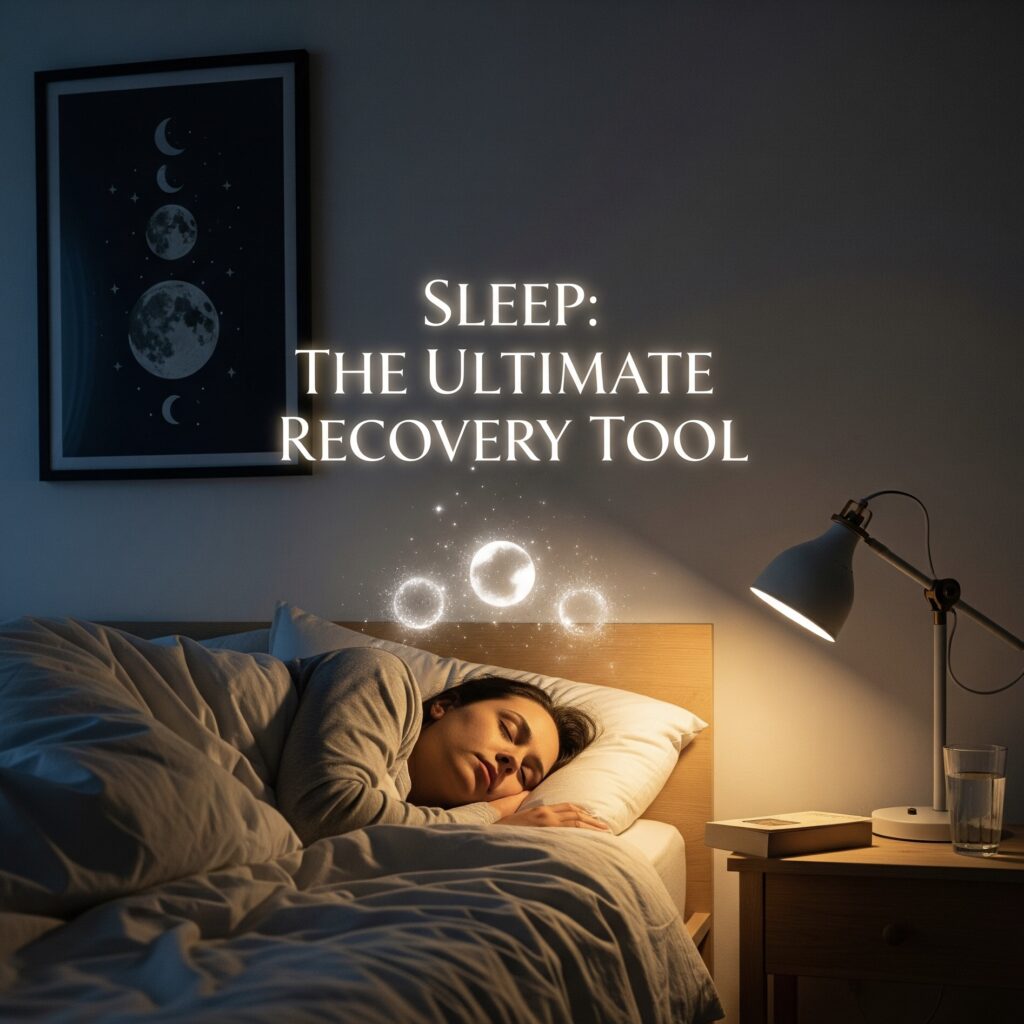
b) Sleep: The Ultimate Recovery Tool
Quality sleep is arguably the most important recovery intervention available. During sleep, the body releases growth hormone, consolidates memories, and performs cellular repair processes essential for adaptation.
Sleep and Athletic Performance:
Studies consistently demonstrate that sleep extension improves athletic performance across multiple domains. Basketball players shooting accuracy, tennis serve accuracy, and reaction times all improve with increased sleep duration.
Sleep Optimization Strategies:
- Maintain consistent sleep and wake times
- Create a cool, dark sleep environment
- Limit caffeine intake 6+ hours before bedtime
- Minimize electronic device use before sleep
- Consider meditation or relaxation techniques
c) Active vs. Passive Recovery
Active Recovery:
Light activity that promotes blood flow without adding significant training stress. Examples include easy walking, gentle yoga, swimming, or light cycling. Active recovery can enhance the removal of metabolic byproducts and maintain movement patterns.
Passive Recovery:
Complete rest from structured exercise. This may involve massage, stretching, meditation, or simply relaxing. Passive recovery is essential during high training periods or when signs of overreaching appear.
d) Recovery Technologies and Modalities
Evidence-Based Modalities:
- Cold water immersion for reducing inflammation and perceived fatigue
- Compression garments for enhanced circulation and reduced muscle damage
- Massage therapy for psychological benefits and minor performance improvements
- Sauna use for heat shock protein production and cardiovascular benefits
Emerging Technologies:
- Infrared therapy for tissue healing
- Pneumatic compression devices for circulation enhancement
- Float tanks for stress reduction and relaxation
- Cryotherapy chambers for rapid cooling and recovery
Recovery Monitoring:
Heart rate variability, subjective wellness questionnaires, and sleep quality metrics provide objective measures of recovery status. These tools help optimize the balance between training stress and recovery.
e) Stress Management and Recovery
Physical training is just one form of stress on the body. Work stress, relationship challenges, and lifestyle factors all impact recovery capacity and training adaptations.
Holistic Stress Management:
- Time management and work-life balance
- Social support networks and relationships
- Financial security and planning
- Mindfulness and meditation practices
- Hobby and leisure activities
Adaptation Energy Concept:
The body has a finite capacity for adaptation. High life stress reduces the capacity for training adaptations and increases recovery requirements. During stressful life periods, training intensity and volume may need reduction to maintain health and progress.
15. Conclusion: Your Path to Optimal Wellness
As we reach the end of this comprehensive guide, it’s important to remember that fitness is not a destination but a lifelong journey of growth, discovery, and self-improvement. The fitness industry will continue evolving—new technologies will emerge, research will refine our understanding, and trends will shift—but the fundamental principles of consistent movement, progressive challenge, and adequate recovery remain constant.
The statistics we’ve explored paint a clear picture: the global wellness economy has reached $6.3 trillion, with 77 million Americans holding gym memberships and 82% of consumers prioritizing wellness. These numbers reflect more than market trends—they represent millions of individuals recognizing that investing in fitness is investing in their future selves.
Key Takeaways for Your Fitness Journey:
Start Where You Are: Whether you’re completely sedentary or already active, there’s always room for improvement. The most important step is the first one, and small consistent actions compound over time to create remarkable transformations.
Embrace the Process: Focus on building sustainable habits rather than pursuing quick fixes. The fitness industry’s evolution toward holistic wellness reflects growing understanding that true health encompasses physical, mental, and emotional wellbeing.
Leverage Technology Wisely: Use wearables, apps, and digital tools to enhance your journey, but don’t let data overshadow the fundamental joy of movement. Technology should inform and motivate, not dictate or overwhelm.
Prioritize Recovery: Remember that adaptations occur during rest, not just during exercise. Quality sleep, stress management, and strategic recovery practices are as important as the workouts themselves.
Stay Connected: The rise of fitness communities, run clubs, and group training reflects our fundamental need for social connection. Surround yourself with supportive people who share your commitment to health and wellness.
Remain Curious: The fitness field continues evolving as research reveals new insights about exercise, nutrition, and recovery. Stay open to new approaches while maintaining commitment to evidence-based practices.
The trends we’ve discussed—from wearable technology and AI-powered training to the mental health focus and recovery optimization—all point toward a more personalized, holistic, and sustainable approach to fitness. This evolution benefits everyone, whether you’re just beginning your journey or seeking to optimize an existing routine.
Your fitness journey is uniquely yours. The goals that motivate you, the activities you enjoy, and the challenges you face are individual to your circumstances, preferences, and life stage. Use this guide as a foundation, but don’t be afraid to experiment, adapt, and find what works best for you.
The future of fitness is bright, with innovations that make healthy living more accessible, engaging, and effective than ever before. Whether you’re drawn to high-tech solutions or prefer simple, time-tested approaches, there’s never been a better time to commit to your health and wellbeing.
Remember: every expert was once a beginner, every transformation started with a single workout, and every fitness journey is built one day at a time. Your future self is counting on the decisions you make today. Start where you are, use what you have, and do what you can. Your path to optimal wellness begins now.
16. FAQ’S-
1. What is fitness and why is it important?
2. How many times a week should I work out for optimal results?
3. What’s better—cardio or strength training?
4. What are the biggest fitness trends in 2025?
Current trends include wearable technology, AI-driven personal training, immersive fitness experiences (like VR workouts), on-demand classes, cold therapy, group fitness communities, and holistic wellness approaches that combine exercise with nutrition and mental health focus.
5. How can I determine my current fitness level?
6. How do I lose fat or gain muscle most effectively?
7. Can I lose fat and gain muscle at the same time?
It’s possible, especially for beginners—this is called ‘body recomposition’. It requires a slight calorie deficit, adequate protein intake, and resistance training to promote muscle synthesis even while losing fat.
8. Is HIIT better than traditional cardio?
9. How do I stay motivated and build long-term fitness habits?
Set realistic, SMART goals (Specific, Measurable, Achievable, Relevant, Time-bound), track your progress, find activities you enjoy, and consider group fitness or online communities for accountability and social support.
10. How important is nutrition to my fitness results?
Very important! Nutrition fuels your workouts, supports muscle recovery, and is essential for fat loss or muscle gain. Focus on balanced macronutrients (proteins, fats, carbs), hydration, and consuming whole foods. Supplements may help fill nutritional gaps, but are no substitute for a healthy diet.
11. How can I avoid injuring myself when working out?
12. Are wearable trackers and fitness apps worth it?
13. Should I exercise when I’m feeling sore?
14. What is ‘recovery’ and why is it important in a fitness plan?
Recovery encompasses rest days, sleep, hydration, and activities like stretching, massage, or cold therapy. It’s when your body repairs and adapts. Good recovery improves performance, prevents overtraining, and reduces injury risk.
15. How can I keep my workouts “fresh” and prevent plateauing?
Regularly change your workouts’ structure (try new classes or exercises, vary intensity/volume, or use digital coaching and virtual classes). Tracking your routines and experimenting with the latest fitness trends also helps maintain results and motivation.